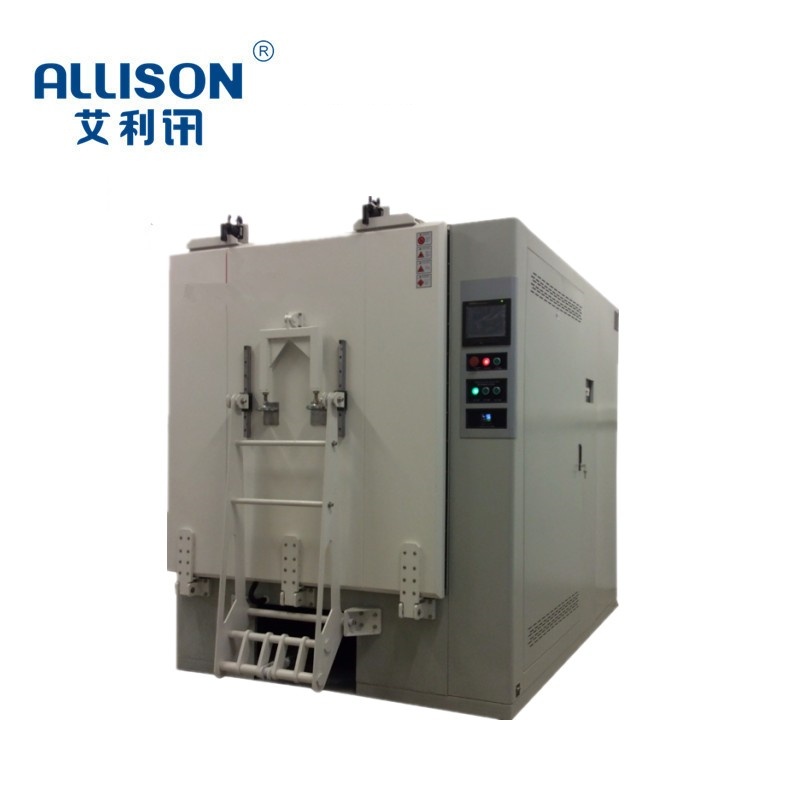
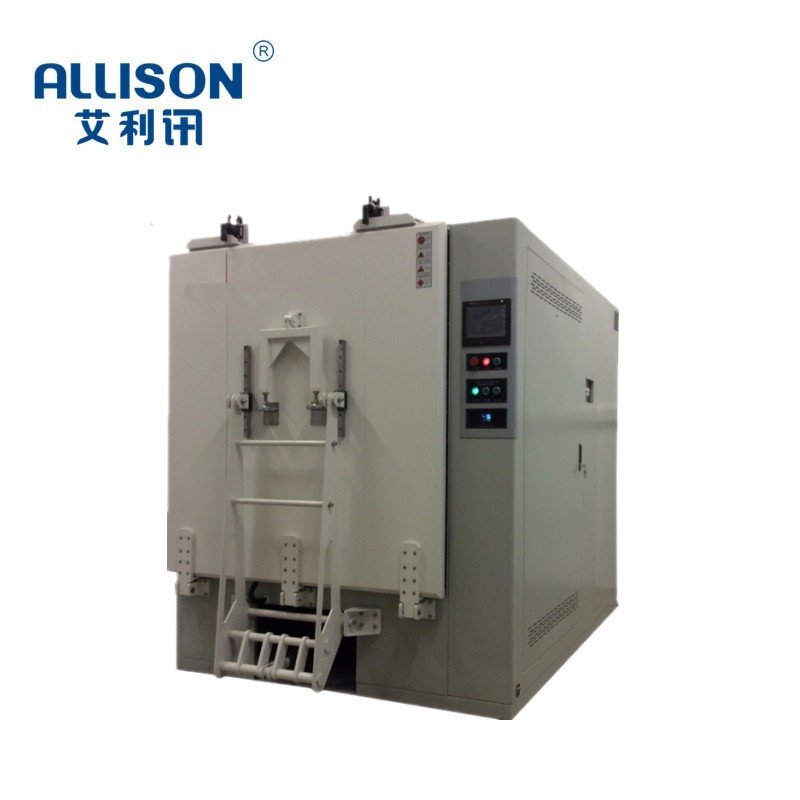
The GB31241 acceleration impact test device is suitable for various types of single cells and battery packs such as lithium-ion, nickel hydrogen, nickel cadmium, lead-acid, and nickel metal hydride. According to GB8897.4-2002 (idt IEC60086-4:2000) "Primary batteries - Part 4: Anquan requirements for lithium batteries"
Detailed introduction
The GB31241 acceleration impact test device is suitable for various types of single cells and battery packs such as lithium-ion, nickel hydrogen, nickel cadmium, lead-acid, and nickel metal hydride. According to GB8897.4-2002 (idt IEC60086-4:2000) "Primary Batteries Part 4: Anquan Requirements for Lithium Batteries" and GB8897.5-2006 (idt IEC60086-5:2005) "Primary Batteries Part 5: Anquan Requirements for Water Solution Electrolyte Batteries" IEC 62133:2002 "ANQUAN Requirements for Portable Sealed Secondary Cells and
Batteries with Alkaline or Other Non Acidic Electrolytes", IEC61951-1:2003 "Portable Sealed Rechargeable Cells and Batteries with Alkaline or Other Non Acidic Electrolytes Part 1: Nickel Cadmium Batteries", IEC61951-2:2003 "Portable Sealed Rechargeable Cells and Batteries with Alkaline or Other Non Acidic Electrolytes Part 2: Nickel Metal Hydrides", IEC 61960:2003 "Portable Sealed Secondary Cells and Batteries with Alkaline or Other Non Acidic Electrolytes", UL 1642:2005 "Lithium Battery Pack" for impact test items, GB 31241-2014
Requirements for lithium-ion batteries and battery packs for portable electronic products.
The GB31241 acceleration impact test device is also applicable to electronic components, instruments, and packaged electromechanical equipment with larger dimensions and weights less than 20Kg. According to the requirements of relevant standards GB/T2423.5-1995 and IEC68-2-29:1987, it simulates the environment in which the product is subjected to impact during use, loading and unloading, or transportation to determine its adaptability to various impact forces and evaluate its structural integrity.






 Online
 Tel
Tel Contact
 Home
Home