The core logic of multi-room coverage capability testing is to simulate real multi-room household scenarios, quantifying the device's coverage, navigation, and task completion capabilities in multi-connected/multi-partitioned spaces. The key focuses on environment setup, test points, execution process, data collection, and judgment. The mainstream reference is standards such as GB/T 34454-2017 (cleaning robots).
test conditions
- Environmental parameters: temperature (23±2)℃, relative humidity (50±5)%, atmospheric pressure 86–106 kPa; illumination 200±50 lx, color temperature 2000–6000 K.
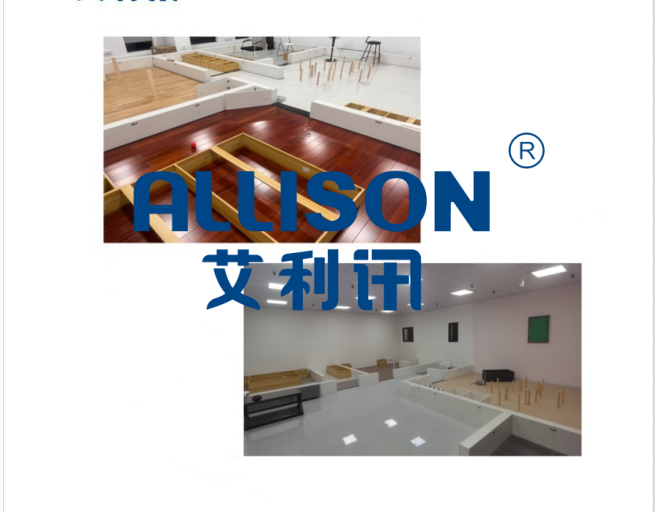
- Venue size: Multi-room configuration, with a total area ranging from 80 to 200 square meters, including functional areas such as living room, bedroom, kitchen, and bathroom, with a passage width of ≥800 mm.
- Ground and obstacles: Mixed ground (tile/wood floor/carpet), equipped with standard obstacle sets (table legs, sofa models, threshold stones, etc.), replicating practical layouts.
- Testing equipment: trajectory tracking system (vision/laser/Vicon), data acquisition terminal, timing and power monitoring tools.
Test content
- Spatial coverage capability: The proportion of coverage area achieved in one/multiple sweeps/inspections, room entry rate, and coverage of edges and corners.
- Navigation and obstacle surmounting: crossing thresholds (height ≥ 20 mm), passing through narrow passages, obstacle avoidance success rate, collision frequency.
- Task completion rate: target area coverage rate, repeated cleaning rate, and proportion of missed cleaning areas within the specified time.
- Endurance and stability: Ability to complete tasks across multiple rooms on a full charge, frequency of power interruptions/freezes, and endurance duration.
- Multi-scenario adaptability: Consistency of performance across different floor materials, obstacle densities, and door states (open/closed).





 Online
 Tel
Tel Contact
 Home
Home